
GLP-1, Weight Loss & Why Nutrition Still Matters
Our bodies are constantly sending signals about hunger, fullness, energy, and blood sugar. When those signals feel out of balance, managing weight can become frustrating - even when you feel like you’re doing your best.
One hormone that’s gained a lot of attention in recent years is GLP-1 (glucagon-like peptide-1). It plays an important role in appetite regulation, blood sugar control, and metabolism. Importantly, it’s something we can support not just with medication, but through food, movement, and daily habits - which is where long-term success really lies.
What Is GLP-1?
GLP-1 is a hormone naturally produced in the gut in response to eating. Its key roles are to:
Signal fullness to the brain
Slow digestion, helping you feel satisfied for longer
Support insulin release and blood sugar regulation
You can think of GLP-1 as part of your body’s internal appetite-regulation system.
GLP-1–based weight-loss medications like Mounjaro work by mimicking this hormone, helping to reduce appetite and improve blood sugar control. For some people, these medications can be a helpful tool - particularly when weight management feels out of reach through lifestyle changes alone.
But medication works best when it’s supported, not relied on.
Does Naturally Produced GLP-1 Work the Same Way as Medication?
Not quite.
Your body does produce GLP-1 naturally when you eat, but its effects are short-lived. Natural GLP-1 is quickly broken down by enzymes, meaning its appetite-regulating benefits are mostly felt around mealtimes.
GLP-1 weight-loss medications are designed to resist this breakdown, allowing them to stay active in the body for much longer - from several days to even weeks, depending on the medication and dose. This is why medications tend to have a stronger and more sustained appetite-suppressing effect.
That said, supporting your body’s own GLP-1 production through nutrition and lifestyle still plays a valuable role in:
Appetite awareness
Blood sugar balance
Gut and metabolic health
Even if the effects are more subtle than medication, they matter - especially for long-term results.
Why Diet and Habits Matter While on GLP-1 Medication
This is a crucial part of the conversation that’s often overlooked - although awareness is growing. Increasingly, medical professionals and organisations prescribing GLP-1 medications are now offering nutrition and lifestyle support alongside treatment, recognising the importance of protecting long-term health and sustainable weight loss.
Many people find that old patterns resurface when the underlying drivers of weight gain and eating behaviours aren’t addressed alongside medication. Appetite may be suppressed, but habits, food choices, emotional eating, and lifestyle factors don’t automatically change on their own.
Research has shown that people who stop weight-loss injections can regain weight up to four times faster than those who stop conventional dieting. This highlights why developing healthy, sustainable habits while using medication is so important - not as an alternative to treatment, but as a way to:
Support long-term weight management
Protect metabolic health
Help maintain results if and when medication is reduced or stopped
Medication can create a valuable window of opportunity - a time when appetite is quieter and making changes can feel more manageable. What you build during that time truly matters.
How Nutrition Supports GLP-1 (With or Without Medication)
The foods you eat can support your body’s natural GLP-1 response and help stabilise appetite and energy levels.
Foods that support GLP-1 production include:
Protein-rich foods
Chicken, turkey, fish, eggs, Greek yogurt, tofu
Protein strongly stimulates GLP-1 and supports satiety.
High-fibre vegetables
Broccoli, spinach, kale, cauliflower
Fibre slows digestion and supports fullness signals.
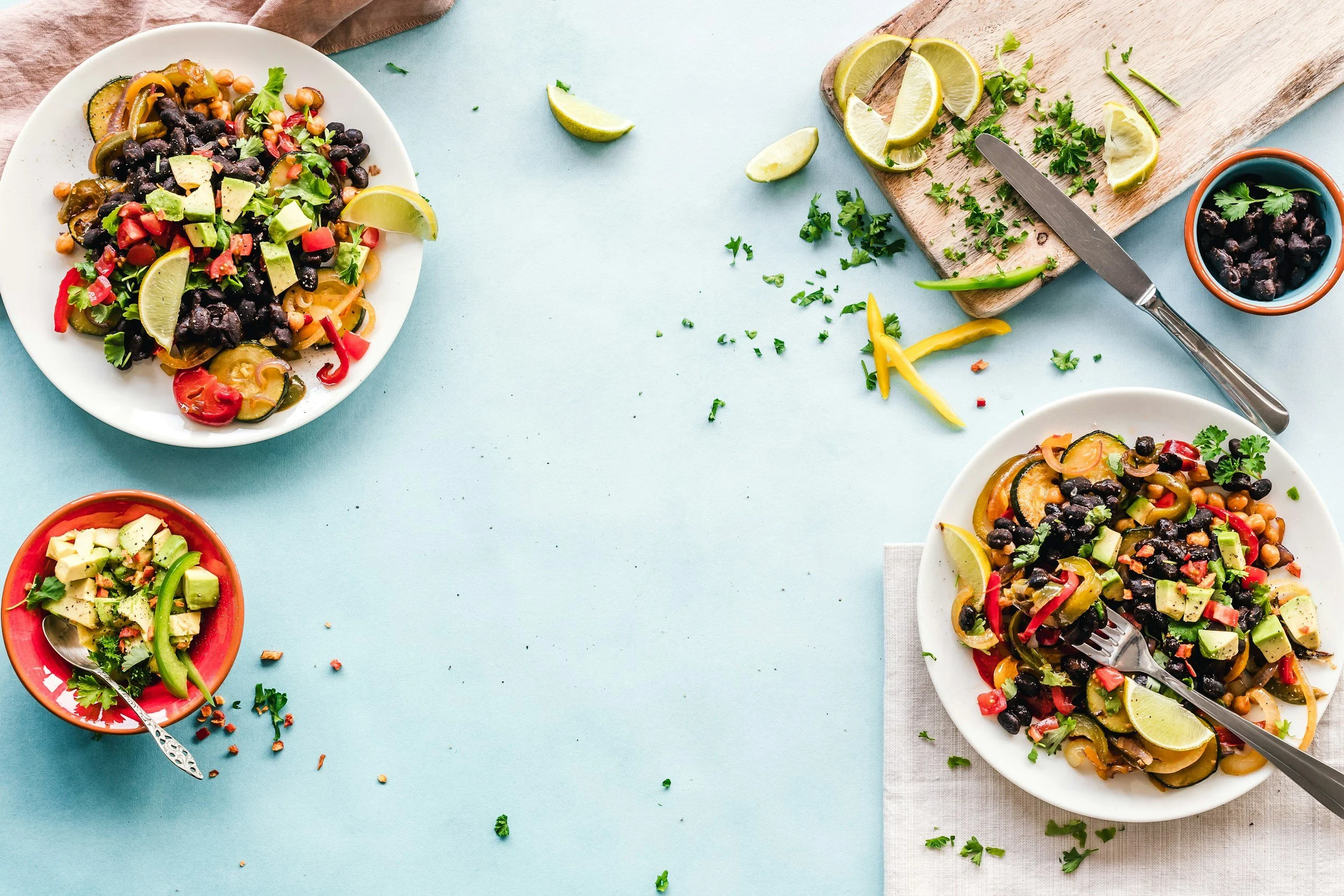
Legumes and pulses
Lentils, chickpeas, beans
A powerful combination of fibre and protein.
Fermented foods
Yogurt, kefir, sauerkraut, kimchi
A healthy gut microbiome supports hormone signalling.
Healthy fats
Olive oil, avocados, nuts, seeds
Monounsaturated fats may enhance GLP-1 release.
Low-glycaemic fruits
Berries, apples, pears
Support blood sugar balance without sharp spikes.
Lifestyle Factors That Influence GLP-1
GLP-1 doesn’t exist in isolation. It’s affected by how you live day to day.
Things that can reduce its effectiveness include:
Diets high in ultra-processed foods and added sugars
Low fibre intake
Poor gut health
Chronic stress and poor sleep
Little or no regular movement
On the flip side, consistent meals, gentle movement, strength training, stress management, and adequate sleep all help support appetite regulation and metabolic health.
Building Sustainable Weight Loss: The Bigger Picture
GLP-1 medication can be helpful.
Nutrition and lifestyle are essential.
Sustainable weight loss isn’t about relying on a single hormone, injection, or “perfect” diet. It’s about using the right tools, at the right time — medication if appropriate, alongside food, movement, and habits that support your body for the long term.
This isn’t about judgment or willpower. It’s about understanding how your body works and learning how to support it with consistency, compassion, and realistic strategies that fit your life.
Because the goal isn’t just weight loss.
It’s maintaining results, protecting your health, and feeling well for life.
How I Can Help
As a nutritionist and health coach, I support you in building sustainable habits that work with your body - whether or not medication is part of your journey.
Together, we focus on:
Nourishing, balanced eating that supports appetite regulation and blood sugar
Practical strategies to rebuild trust in hunger and fullness cues
Habit change that feels achievable, not overwhelming
Long-term support for maintaining results beyond medication
If you’re using GLP-1 medication - or considering it - I can help you make the most of this window of opportunity by laying strong foundations for lasting health.
If you’re ready to move beyond quick fixes and focus on sustainable change, I’d love to support you.
Get in touch to learn more about working together.
Click Here to Book a 15 Minute Discovery Call