
Histamine, the Menopause… and Why Your Body Suddenly Reacts to Everything
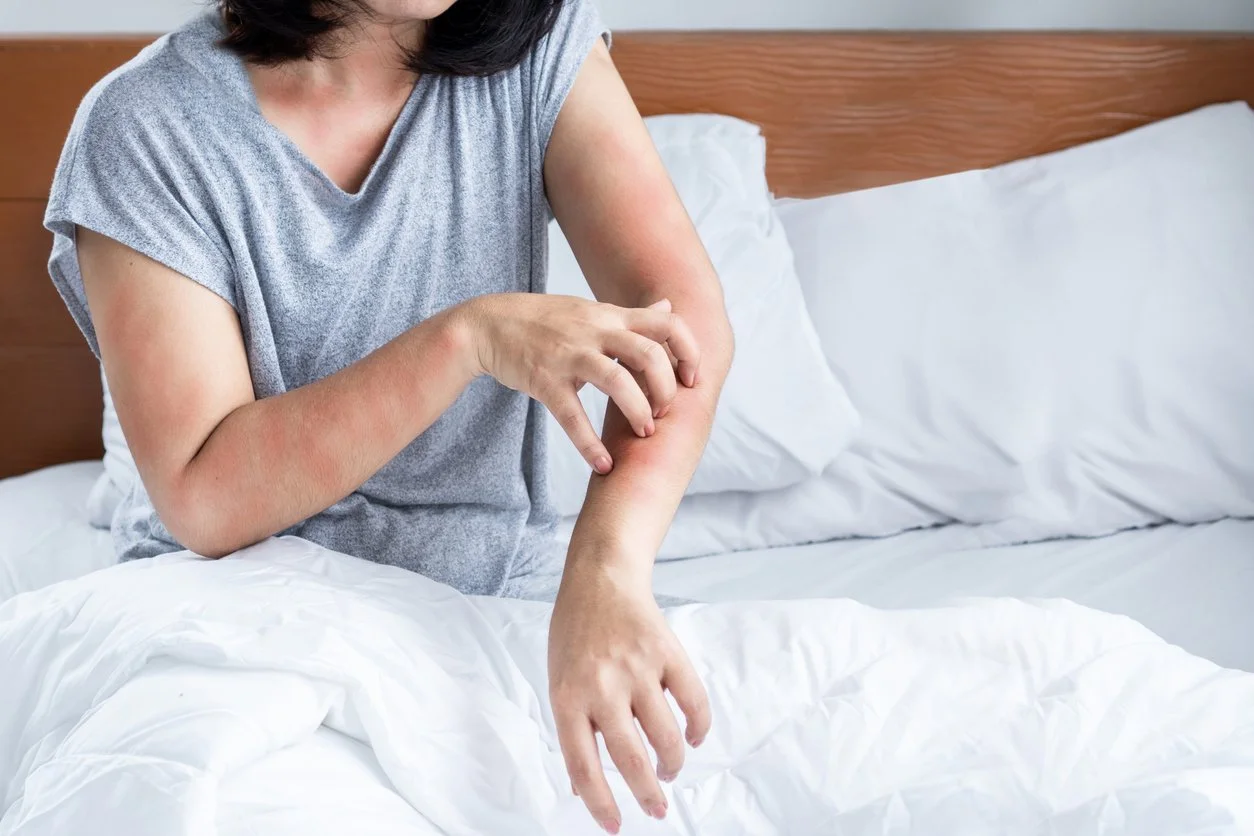
Recently I had one of those “well that’s new” moments with my body.
I was on a first aid course practicing CPR when we used a plastic protective sheet during the rescue breathing practice. Within minutes I noticed my skin reacting - redness, irritation, and a strange sensitivity to the face protector that I had been given to use. I also noticed a strange red mark under my lip that someone initially thought was food. After trying to wipe it away, I realised it was actually part of the reaction.
It seemed completely random as I had never had this reaction before and the first aid instructor had never seen this before either.
Later that same week, a friend messaged me to say she’d had a dramatic reaction after getting her hair coloured which she has been doing for years! She believes it was the PPD in the hair dye. Her face and eyes had become swollen and itchy almost overnight.
Coincidence? Not entirely.
What many women don’t realise is that increased histamine sensitivity can become more common during the menopause transition. Suddenly things you’ve tolerated your entire life - foods, products, environmental triggers - can start provoking reactions.
It can feel confusing, frustrating and a bit alarming when your body suddenly behaves differently.
Let’s unpack why this happens and what you can do to support your body through it.
First, What Is Histamine?
Histamine is a natural chemical made by your immune system. It plays a role in:
immune defence
digestion
hormone regulation
communication between cells
When your body perceives a potential threat (an allergen, irritant, or injury), histamine is released to trigger inflammation and immune responses.
That’s when you may experience symptoms like:
itching
redness
swelling
headaches
flushing
hives
digestive discomfort
sinus congestion
In normal circumstances, the body also produces enzymes - particularly DAO (diamine oxidase) - which break histamine down.
But during menopause, the balance can shift.
Why Histamine Can Increase During Menopause
Hormones and histamine are closely linked - particularly oestrogen.
Oestrogen actually stimulates the release of histamine from immune cells. These immune cells, known as mast cells, store histamine and release it when the body perceives a trigger. At the same time, histamine can stimulate the production of oestrogen, creating a bit of a feedback loop between the two.
During perimenopause and menopause:
Oestrogen levels fluctuate unpredictably
Histamine breakdown can become less efficient
The nervous system becomes more reactive
This means the body may become more sensitive to triggers that previously caused no issues.
Common triggers women suddenly notice include:
certain foods
alcohol
skincare products
hair dyes (such as PPD)
fragrances
plastics or synthetic materials
temperature changes
stress
So, while my reaction to the plastic sheet during CPR practice felt strange at the time, it’s actually something I’ve since learned isn’t uncommon during this stage of life. Another unexpected joy of the menopause transition!
Signs Histamine May Be Playing a Role
Not everyone experiences histamine sensitivity, but symptoms can include:
skin flushing or rashes
itching without an obvious cause
sinus congestion
headaches or migraines
digestive upset
hives
increased reactions to chemicals or products
feeling worse after certain foods (wine, aged cheese, fermented foods)
If you suddenly feel like your body has become “more reactive” in midlife, histamine could be part of the picture.
How to Support Your Body
The goal isn’t to eliminate histamine completely - it’s an important chemical in the body - but to help your system regulate it more effectively.
Here are some supportive strategies.
1. Support Gut Health
Around 70–80% of the body’s immune cells are located in the gut, which is why gut health plays such an important role in how the body processes histamine. Focus on:
fibre-rich foods
diverse plant foods
adequate hydration
supporting beneficial gut bacteria
Some gut bacteria help break histamine down, while others can produce it, so balance is key.
2. Be Aware of High-Histamine Foods
For some women, reducing high-histamine foods temporarily can calm symptoms while the body stabilises.
Common high-histamine foods include:
aged cheeses
cured meats
alcohol (especially wine)
fermented foods
smoked fish
leftovers kept too long
vinegar-heavy foods
This doesn’t mean eliminating them forever, but it can be helpful to notice patterns.
3. Support DAO Production
The enzyme DAO helps break histamine down.
Nutrients that support DAO activity include:
vitamin B6
vitamin C
copper
magnesium
A varied, nutrient-dense diet usually supports this well.
4. Reduce Overall Inflammation
The more inflamed the body is, the more reactive the immune system becomes.
Helpful habits include:
prioritising sleep
managing stress
regular movement
anti-inflammatory foods (berries, leafy greens, olive oil, omega-3 fats)
5. Be Mindful of New Products
During menopause, skin and immune responses can become more sensitive.
It can help to:
patch test new skincare or hair products
check ingredients in hair dyes (PPD reactions are increasingly reported)
choose gentler or more natural formulations where possible
The Bigger Picture
One of the biggest challenges of menopause is that symptoms don’t always look like what we expect.
We hear about hot flushes and sleep changes, but rarely about things like:
skin reactions
sudden sensitivities
histamine responses
changes in immune reactivity
Yet these can absolutely be part of the hormonal transition.
The good news is that supporting the body with nutrition, lifestyle and awareness can make a significant difference.
And sometimes the first step is simply recognising that when your body suddenly reacts differently, it isn’t random and it certainly isn’t “just you.”
Menopause is a powerful transition, and understanding what’s happening inside your body allows you to navigate it with much more confidence and self-compassion.
If you’ve noticed your body becoming more reactive during midlife, you’re not imagining it - and there are ways to support it.
As always, personalised nutrition and lifestyle strategies can make a huge difference in helping your body regain balance.
If you’d like support navigating menopause symptoms or histamine sensitivity, you’re very welcome to book a free 15-minute discovery call to see how I can help.